Storms can strike without warning, leaving a trail of damage to homes and properties in their wake. If a storm has hit your property, you must know the steps to ensure your safety, assess the damage, and begin recovery.
In this article, you’ll learn how to navigate the aftermath of a storm, from checking for immediate hazards and documenting the damage to contacting your insurance company and working with a reputable restoration company to repair your property.
Key Takeaways
- Swiftly assess personal safety and check for immediate hazards after the storm.
- Inspect and document all storm damages to your property for insurance purposes.
- Contact relevant authorities and your insurance company promptly with accurate information.
- Secure and protect your property by boarding up and tarping if it is safe.
- Choose a reputable restoration company, like Priority Restoration LLC, for efficient property repair.
1. Assess the Situation
When faced with storm damage, the first essential step is to assess the overall situation. This involves considering immediate safety concerns, such as potential danger from fallen trees or power lines, before moving on to evaluate the extent of damage caused by the storm.
It’s important to approach this process systematically and carefully to guarantee an accurate understanding of the situation and the necessary subsequent actions.
Immediate Safety Concerns
In the aftermath of a storm, immediate safety concerns should be the primary focus. This entails swiftly checking for personal injuries and identifying hazards such as downed power lines and gas leaks.
If safe, securing your property to mitigate further damage is another vital step in this initial assessment phase.
Check for Injuries
After a storm passes, the priority is to assess the situation, focusing on immediate safety concerns such as checking for injuries among those present. Knowing what to do if your property has sustained storm damage is crucial.
The aftermath of storms can leave you disoriented. Stay calm, guarantee everyone’s well-being, and check if anyone needs immediate medical attention.
Look for Downed Power Lines and Gas Leaks
Once everyone’s safety from physical injuries has been guaranteed, assessing the environment for immediate threats such as downed power lines and gas leaks is vital. Storms can damage your property in various ways, making it essential to do a thorough inspection after the storm.
Have your damages evaluated by a professional? Downed power lines and gas leaks can further damage your home and pose serious safety risks.
Secure Your Property (if Safe to Do So)
Should it be safe to proceed, securing your property becomes the next critical phase in dealing with storm damage.
If you can, document the damages for your insurance claim.
When you notice areas vulnerable to further weather harm, like a tornado, you can attempt to protect them if they are safe to access.
Evaluating Storm Damage
Once the immediate safety concerns are addressed, the next step is to evaluate and document the storm’s damage.
This includes carefully inspecting your home’s interior and exterior for visible signs of damage.
Documenting these findings with photos and videos for future reference and insurance claims is critical.
Assess Damage to Your Home and Exterior
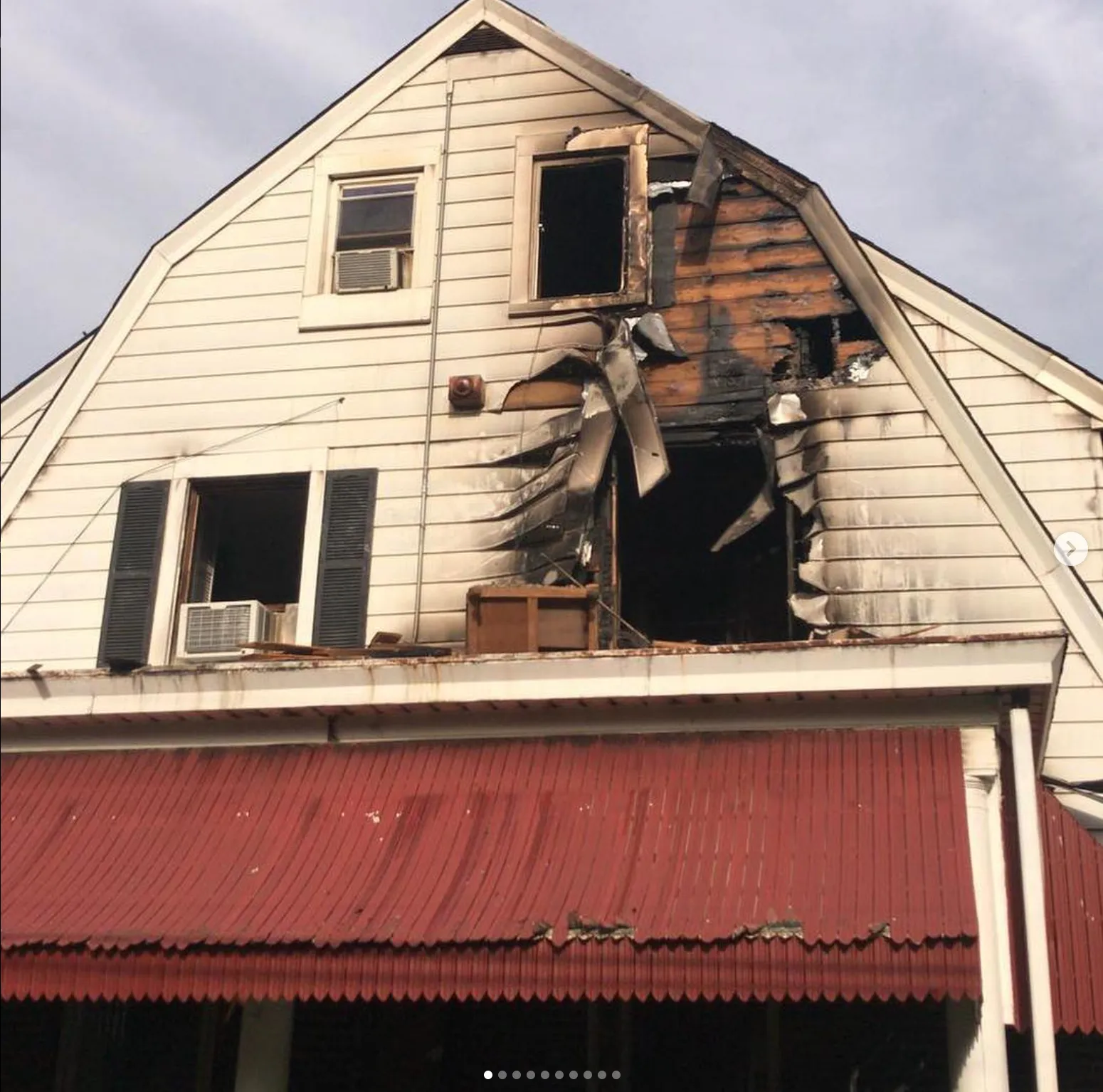
In the aftermath of a storm, a systematic evaluation of your home’s exterior and interior is essential to fully comprehend the extent of storm-inflicted damage.
Start off by inspecting the roof for missing shingles or leaks. Evaluate the walls for cracks or holes. Check windows and doors for possible breakage.
Take Photos and Videos of the Damage
After thoroughly inspecting your property, document the storm damage by taking clear photos and videos. This essential step should encompass all affected areas and items inside and outside your home.
Make sure the images are clear and well-lit to represent the damage accurately. This vital step assists in filing insurance claims, facilitating a smoother compensation process, and serves as a record for future reference.
2. Contact the Authorities (if Necessary)
After evaluating the aftermath of a storm, the next step often involves contacting relevant authorities if the situation warrants it.
This could include notifying local law enforcement, emergency services, or your local government about severe infrastructural damages or safety hazards.
Reporting Emergencies
Reporting emergencies promptly and accurately is vital in the aftermath of a storm.
Depending on the nature of the emergency, different authorities, such as the fire department for fires or gas leaks or the police department for downed power lines or safety hazards, should be contacted.
Fire Department (for fires or gas leaks)
Contacting your local Fire Department is crucial when faced with a fire or gas leak resulting from storm damage. Their specialized training and equipment make them best suited to handle these dangerous situations.
Evacuate the premises to guarantee your safety and provide them with the necessary details. Their prompt response can mitigate further damage and potentially save lives.
Police Department (for downed power lines or safety hazards)
Dealing with storm-related safety hazards, such as downed power lines, necessitates prompt communication with your local Police Department. They are equipped to secure the area, ensuring public safety.
Avoid touching or approaching these hazards yourself. Instead, report the location and nature of the hazard to the police, who can then liaise with the relevant utility providers for swift, safe resolution.
3. Contact Your Insurance Company
Once the immediate dangers of the storm have passed and authorities are informed, if necessary, the next vital step is to contact your insurance company. Prompt communication with your insurer can expedite the claim process, helping you recover losses faster.
This section will guide you through the important details of filing a claim, ensuring a smooth and efficient interaction with your insurance provider.
Filing a Claim
When dealing with storm damage, you must call your insurance company promptly to initiate a claim. This process begins with gathering the necessary information, such as your policy number and photographic evidence of the damage.
It’s equally important to comprehend your coverage details and inquire about the subsequent steps to guarantee a smooth claim process.
Gather Necessary Information (policy number, photos)
After a storm, it is crucial to promptly gather important data, including your insurance policy number and detailed, thorough photos of the damage, for a smooth claim process with your insurance company.
This information serves as critical evidence when describing the extent of the damage to the adjuster. Keep a log of damage-related expenses and save receipts.
Understand Your Coverage
Having gathered all necessary documentation, your next step is to understand your insurance coverage and initiate the process of filing a claim with your insurer. Ensure you know what your policy covers, such as water damage, wind damage, etc.
Contact your insurance company promptly, provide them with all relevant information, and officially file your claim. This step is vital for compensation.
Ask About the Next Steps
Exploring the maze of insurance claims is important. Inquiring about the subsequent procedures after filing your claim is crucial to guaranteeing a smooth and efficient process. Your insurer will help you with the next steps, including documenting damages, meeting with an adjuster, and completing repairs.
Stay organized, follow your insurer’s advice, and communicate openly to ensure a successful claim resolution.
4. Secure and Protect Your Property (if Safe)
When faced with storm damage, it’s essential to prioritize your property’s safety and stability, provided it’s safe to do so.
This involves several key steps, such as boarding up broken windows and doors, covering exposed areas with tarps, and relocating valuable items to a secure location.
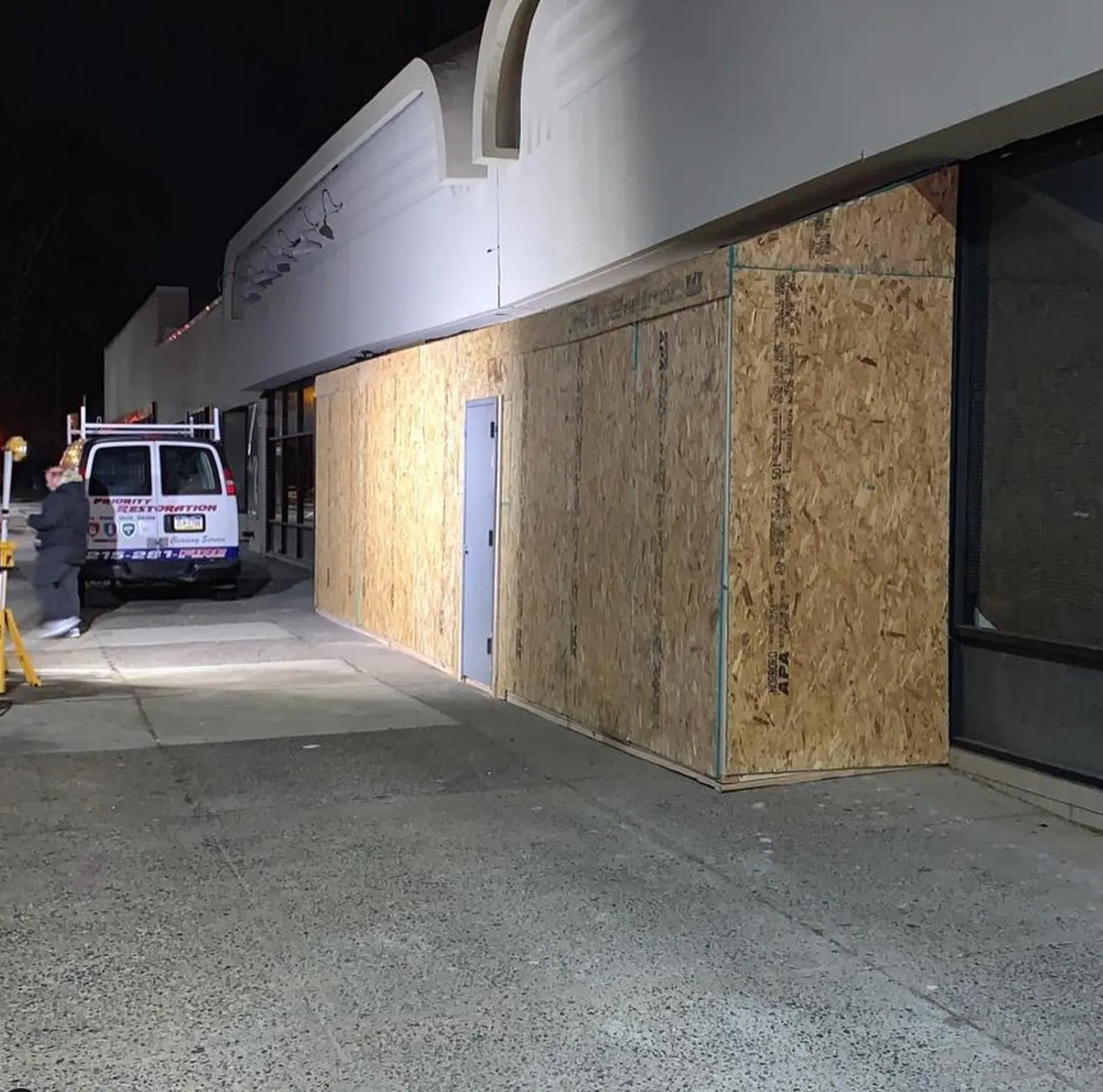
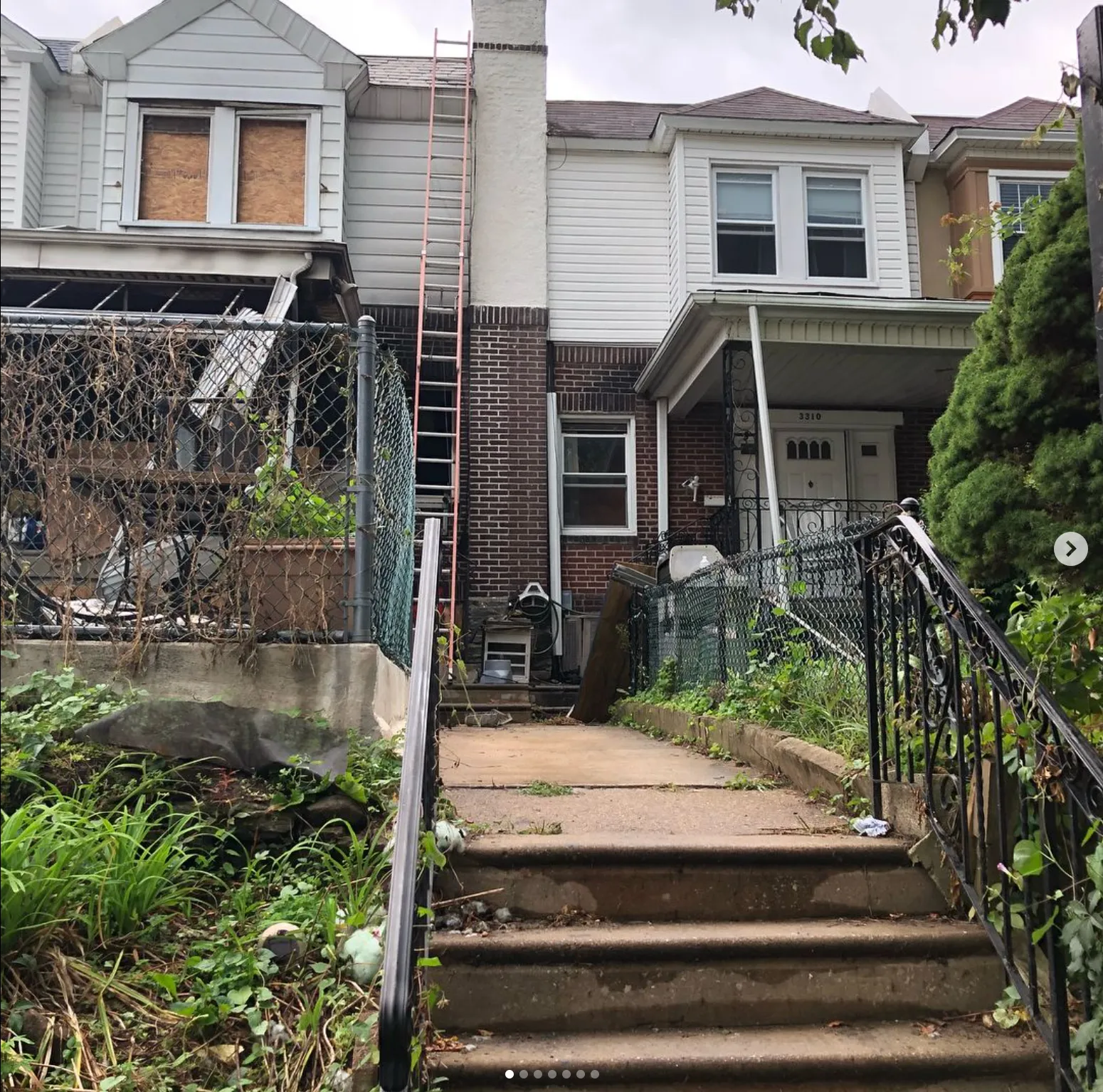
Board Up Broken Windows and Doors
After a storm, it is essential to secure and protect your property by boarding up any broken windows and doors, provided it is safe to do so. This preventative measure can drastically reduce further damages caused by exposure to weather elements or unauthorized entry. Using sturdy plywood, cut to fit each damaged area, affix the boards securely using nails or screws.
Ensure the board covers the damaged area completely to prevent water ingress and wind damage. Clean up any loose glass before boarding if a window is shattered to prevent injury. Please always prioritize personal safety above property protection; if conditions are hazardous, seek professional help.
Cover Exposed Areas with Tarps
Frequently, tarps can effectively cover any exposed areas after a storm to protect your property further. These large, waterproof sheets protect against further weather damage and potential intrusions from wildlife or debris.
Position the tarp over the damaged area, ensuring it is fully covered. Secure it with strong ropes or weighty objects to keep it in place until repairs can be made. If damage is on the roof, exercise extreme caution or hire a professional to avoid injury.
Move Valuables to a Safe Location
In the aftermath of a storm, relocating your valuable items to a safe and dry location is essential in mitigating further loss or damage. This step involves moving items such as electronics, important documents, and valuable personal belongings away from areas affected by the storm.
Consider using offsite storage or a trusted friend’s house if your home is unsafe. Keep an inventory of the items moved for insurance purposes. If certain items are too heavy to move, try covering them with plastic sheets to minimize damage.
5. Begin Cleanup and Restoration (when Safe)
Once the storm has subsided and it’s safe to proceed, the next phase in managing storm damage is to begin cleanup and restoration.
This process should commence with meticulous documentation of all damages for insurance purposes, followed by prompt action to prevent any further damage.
Document Everything
Documentation is essential in managing damage and initiating restoration when it is safe in the aftermath of a storm.
This process involves meticulously recording all expenses incurred, including repair costs and temporary housing if necessary.
This not only facilitates smoother insurance claims but also aids in tracking recovery progress.
Keep Receipts for Repairs and Temporary Housing
As you commence the cleanup and restoration process after a storm, you must meticulously document all expenses and retain every receipt related to repairs and temporary housing. This includes receipts for materials, professional services, and any accommodation costs if your home is uninhabitable.
These records can help you obtain the rightful compensation from your insurance provider and be useful for tax deductions.
Mitigate Further Damage
After ensuring safety and documenting the storm damage, the next important step is to mitigate further damage.
This includes addressing any roof leaks and water damage promptly to prevent complications.
Additionally, measures must be taken to prevent the growth of mold, which can pose risks to your health and further damage to the property.
Address Roof Leaks or Water Damage
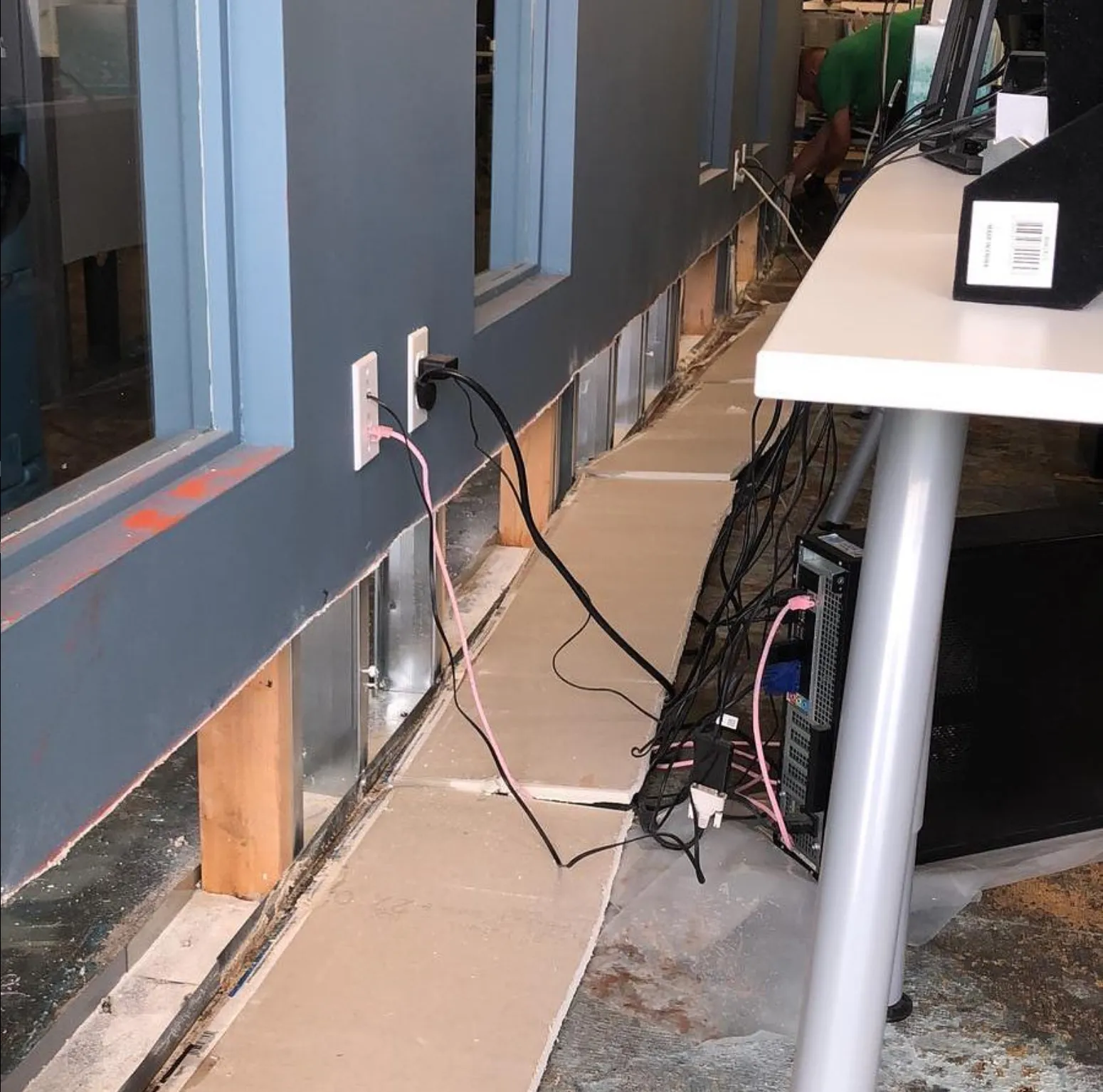
When deemed safe, commencing the cleanup and restoration process requires immediate attention to roof leaks or water damage to prevent the escalation of damage.
This involves inspecting the roof for visible damage, checking inside your home for any signs of leaks, and removing any water from affected areas.
Contact a roofing professional for any needed repairs and make sure all water damage is addressed promptly.
Prevent Mold Growth
Once all water damage has been properly addressed, the next step in the cleanup and restoration process involves taking swift action to prevent mold growth, which could further harm your property. Thoroughly dry all affected areas, use dehumidifiers and apply anti-mold sprays.
Regular inspection for signs of mold is crucial, as early detection can prevent extensive damage.
6. Recovery and Resources
After managing the immediate physical aftermath of storm damage, attention must be turned towards recovery and the resources available to aid in this pivotal period.
Numerous financial assistance programs are designed to alleviate the economic burden of such disasters.
In addition, emotional support, often overlooked but equally important, is a vital component in the collective recovery process.
Financial Assistance Programs
When facing the aftermath of a storm, it’s essential to understand the variety of financial assistance programs available to aid recovery.
Key among these are resources provided by the Federal Emergency Management Agency (FEMA) and aid from various local organizations.
These programs can offer invaluable support during the rebuilding process, providing much-needed relief amidst the challenges of storm damage.
Check with FEMA or Local Organizations
One of the primary steps for recovery after a storm is to explore financial assistance programs by the Federal Emergency Management Agency (FEMA) or local organizations. These entities can fund repairs, temporary housing, or other storm-related expenses.
It’s important to act quickly and apply as soon as possible, as these programs may have deadlines.
Emotional Support
The emotional toll of storm damage is often overlooked, yet it can be as devastating as the physical destruction. Providing emotional support in the aftermath of a storm is a critical component of recovery and resilience-building.
This section will touch on the emotional effects of storm damage and spotlight resources for mental health support and counseling.
Dealing with the Aftermath of a Storm
While physical damage from a storm can be devastating, it is important not to overlook the emotional toll such an event can have on individuals and communities. Feelings of fear, anxiety, and grief are natural reactions.
Acknowledging these emotions and seeking support from family, friends, or mental health professionals can be crucial in maneuvering the aftermath of a storm.
Self-care and resilience are key during this challenging time.
Finding Help and Resources
Handling the emotional aftermath of a storm can be challenging, but various resources offer essential support and assistance during this difficult time.
Local community organizations, mental health professionals, and online platforms provide therapeutic interventions, coping strategies, and peer support.
These resources aim to help individuals regain emotional stability, build resilience, and foster a sense of community in the face of adversity.
7. Work with a Reputable Restoration Company
Working with a reputable restoration company is essential in reclaiming your property after a storm.
It is vital to identify a qualified contractor who adheres to industry standards and can effectively restore your home to its former state.
Understanding the restoration process, from initial assessment to final touches, will guarantee transparency and satisfaction with the results.
Finding a Qualified Contractor
The importance of engaging a qualified contractor cannot be overstated in the aftermath of a storm.
Obtaining estimates from several reputable restoration companies is prudent, ensuring a fair and reasonable repair cost.
Always verify the company’s references and insurance coverage prior to finalizing the contract. Firms like Priority Restoration LLC set a good example of what to look for.
Get Quotes from Multiple Companies
Securing estimates from several reputable restoration companies is critical in dealing with storm damage. It allows homeowners to ascertain the most qualified and cost-effective contractor. This process provides a range of pricing and service options, empowering homeowners to make informed decisions.
Check References and Insurance
Once you have gathered quotes, performing due diligence on your potential contractors by checking their references and insurance credentials is crucial. This verifies their credibility and guarantees they are properly equipped to handle unexpected issues.
A qualified contractor will have a solid track record and adequate insurance, providing peace of mind in knowing your storm damage repair will be handled professionally.
Priority Restoration LLC
Selecting a reputable restoration company like Priority Restoration LLC is essential for guaranteeing high-quality storm damage repairs and maintenance. Their team of experts specializes in swift, professional service, alleviating the stress of post-storm cleanup.
With Priority Restoration LLC, you can rest assured that your property will be restored to its original state with the utmost attention to detail, efficiency, and safety standards.
The Restoration Process
Working with a reputable restoration company is important in addressing storm damage.
The process begins with understanding the timeline and scope of the required restoration work.
Clear and consistent communication with the contractor throughout this process is vital to ensure the restoration is carried out efficiently and effectively.
Understand the Timeline and Scope of Work
When partnering with a reputable restoration company, understand the timeline and scope of work in storm damage restoration.
This process includes evaluating the damage, creating a restoration plan, and executing the work.
Knowing the timeline can help manage expectations while understanding the scope of work guarantees you are aware of the extent of necessary repairs and restoration.
Communicate Clearly with the Contractor
While starting the restoration process, maintaining clear and consistent communication with the selected contractor guarantees that your expectations align with the planned recovery steps.
Clarify all doubts, discuss the project timeline, and be in sync with the restoration plan. This will help prevent misunderstandings or discrepancies and ensure a smoother, more efficient restoration process.