Homeowners are faced with a wide range of obstacles and challenges throughout the year. Of course, those challenges are generally multiplied by the time winter rolls around — especially in the Philadelphia area. That’s why preparation is extremely important during the colder months.
Of all the things that could go wrong this time of the year, one of the most tragic and common occurrences are frozen pipes. They generally happen without warning and can sometimes go several weeks without being noticed. Even worse, there’s no telling just how bad the damage will be.
What are the Dangers with Frozen Pipes in Philadelphia?
Contrary to popular belief, water tends to expand when it freezes. This can mean a lot of trouble for the pipes inside your home, especially since there’s only so much space inside those pipes. As the water expands, the pressure inside the pipe increases — until it eventually bursts.
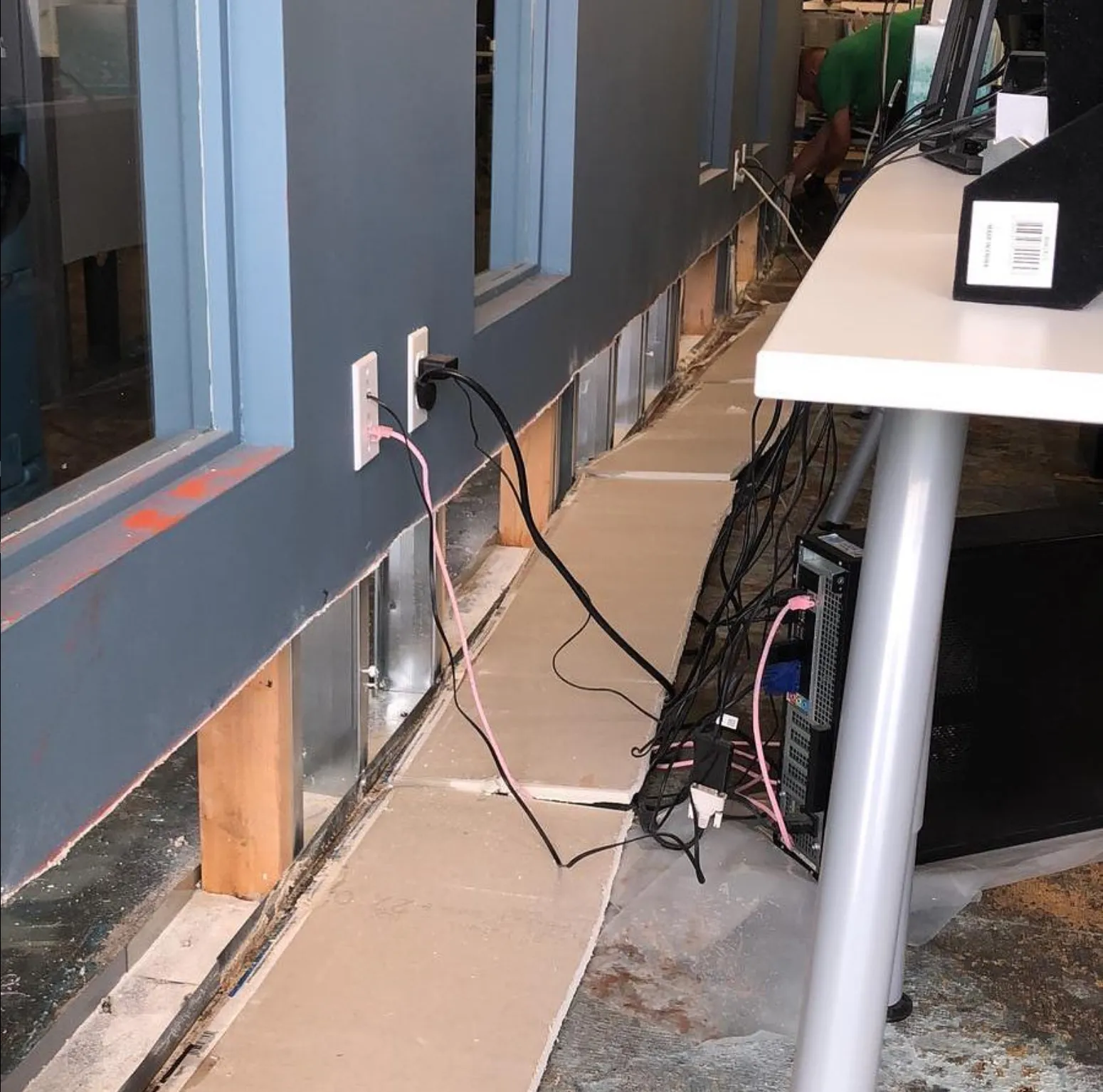
Burst pipes can wreak havoc on your home. Not only is it a repair most homeowners don’t want to deal with during the winter months, but it can welcome a large amount of water damage in Philadelphia and eventually lead to structural damage in that area of the home.
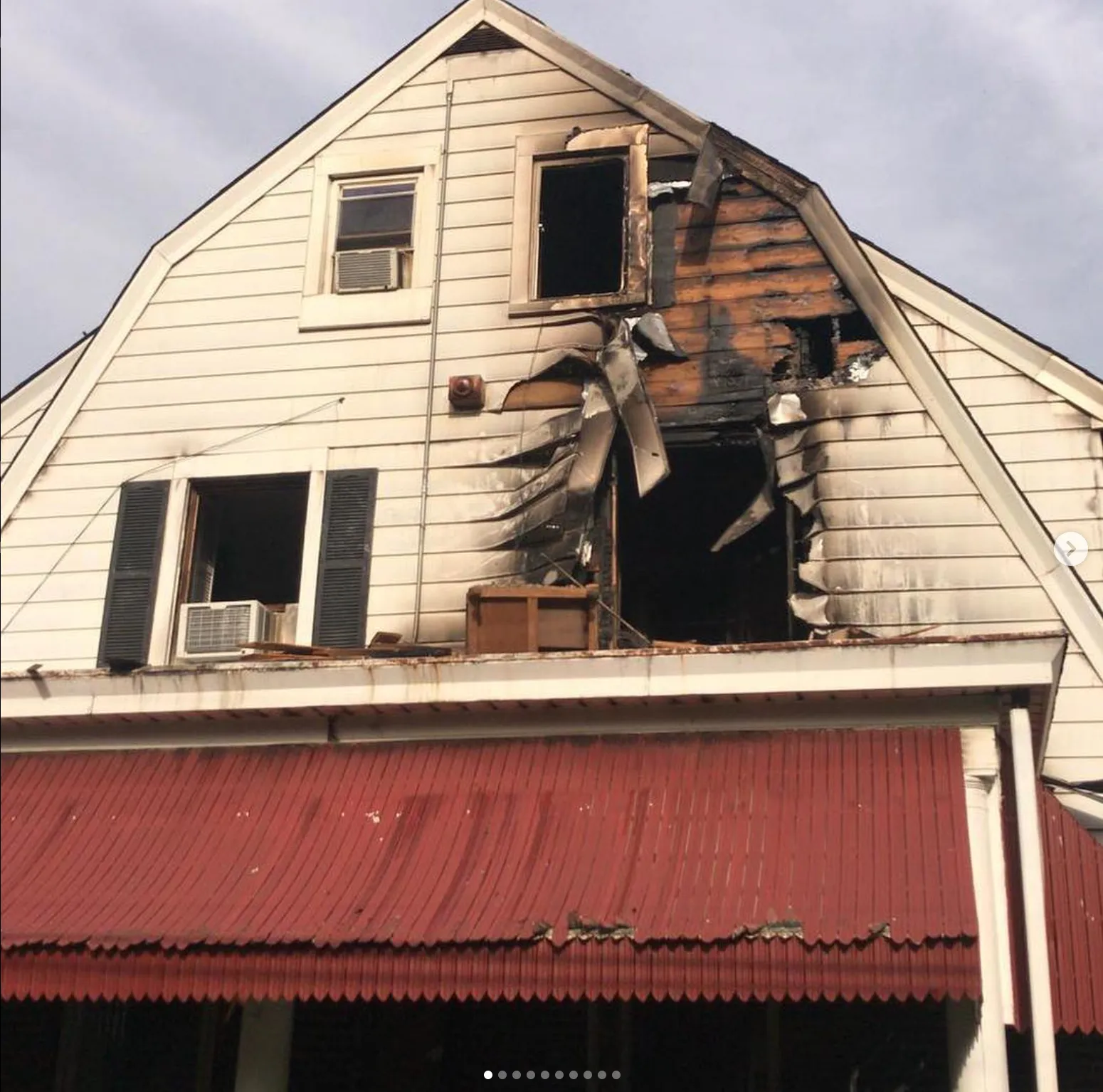
Where there’s plumbing, you’re bound to find electrical wires. And where there’s water damage, residents should prepare for fire damage in Philadelphia. If that plumbing freezes and bursts, those electrical wires could be affected. Since water and electricity don’t mix well, frozen pipes also increase your risk of a house fire — more specifically, an electrical fire.
Preventing Frozen Pipes
One of the best things you can do for your home during the winter — especially in areas with harsh weather, such as Villanova or Radnor — is ensure your pipes are protected from the cold. It can save you money, time, frustration, and an enormous headache by the time winter is over.
Here are some of our most prominent tips when preventing frozen pipes this winter:
- Even if you don’t use a sink or bathtub often, make sure you’re running the water daily.
- Ensure your home is properly insulated and direct warm air to the colder areas of the home.
- If you have a sink connected to an exterior wall, keep your lower cabinets open to direct warm air in there.
- When not using your hose outside, disconnect it from the outside faucet to allow for drainage.
- Always make sure your pipes are insulated, as well as the inside of your walls.
- Keep your exterior doors and windows closed to keep the cold air outside and warm air inside.
- Keep your interior doors open to ensure warm air throughout the house.
As a general rule of thumb, pipes start to freeze once the temperature reaches 20 degrees Fahrenheit or below. When it starts getting that cold outside, you should take extra preventative measures to ensure the pipes have warm water and air flowing through and around them often.
What To Do When Pipes Burst
When your pipes burst, there’s a good chance you’ll be dealing with water damage — if not fire damage, as well. Whether dealing with water or fire damage, Philadelphia residents must first find the source of the problem. Once the pipe is detected, it’ll need to be repaired to ensure the problem doesn’t persist.
Even with a fixed pipe, you still need someone to repair the structural damage to the home. That’s where we come in. We effectively and accurately return your home to its original condition, that way you and your family can return to your normal, everyday life.
Contact Priority Restoration
When you need water damage restoration in Philadelphia, contact Priority Restoration today. We offer the best water damage repair Philadelphia has to offer and can’t wait to extend those services to you and your family!