We provide 24/7 rapid response, offer free assessments, and ensure expert recovery.
Grease fires are among the most dangerous kitchen emergencies, often starting when cooking oil becomes too hot. Unlike other fires, grease fires spread quickly and react violently to water, making them especially hazardous. Understanding these risks is crucial for anyone who cooks regularly, as simple prevention habits can eliminate most grease fire dangers.
Most grease fires begin when oil reaches its smoke point and ignites, often due to unattended cooking, overheating, or flammable items placed nearby. Each type of oil has a specific smoke point—the temperature at which it starts to break down and release smoke. If oil continues heating beyond this point, it can ignite and start a fire that spreads rapidly.
Based on years of fire damage restoration experience, the most frequent causes include:
When oil is heated beyond its smoke point, it becomes unstable and can ignite suddenly. Different oils have varying smoke points—olive oil starts smoking around 375°F, while vegetable oil can handle up to 400°F. Once oil starts smoking heavily, it’s at serious risk of catching fire.
The danger multiplies when cooks try to rush the heating process by using maximum heat settings. Oil temperature can spike rapidly, going from safe to dangerous within minutes.
Never sure about oil temperature? Get cooking thermometer for safety.
Walking away from a hot pan is the most common cause of grease fires. Oil heats up quickly, and without constant monitoring, it can start smoking and ignite. Even stepping away for just a minute significantly increases fire risk.
Working with hundreds of kitchen fire cases has shown us that the speed at which oil can overheat often surprises even experienced cooks.
Grease that accumulates on stovetops, in ovens, or on cookware creates highly flammable conditions. When exposed to high temperatures, this leftover residue easily ignites and can spread fires beyond the immediate cooking area.
Regular cleaning removes this fire fuel. However, many homeowners underestimate how quickly grease buildup occurs, especially during heavy cooking periods.
Grease buildup on surfaces? Schedule deep cleaning before cooking.
Dropping wet or frozen food into hot oil causes violent splattering as moisture rapidly converts to steam. This reaction increases chances of oil spilling over pan sides and catching fire.
Always pat food completely dry before frying and allow frozen items to thaw before cooking in oil. Even small amounts of surface moisture can create dangerous splattering conditions.
Kelly of Priority Restoration rented storage space at our facility in Warrington Pa. for one of their clients. We got to witness firsthand how professional and thorough her and her crew operate. The genuine care and concern Kelly shows to her clients is blatantly obvious. Though Priority Restoration provides a service we all hope to never need to utilize, I feel comfortable saying I would look no further than Priority should the need ever present itself.
Using water on grease fires is a common but extremely dangerous mistake. When water hits burning oil, it instantly turns into steam and forces flaming oil to splatter, spreading fire throughout the kitchen.
The Science Behind the Danger
Never use water on grease fires—it creates explosive reactions that spread flames.
How Fires Spread
Instead of extinguishing flames, water causes hot oil to splatter across countertops, cabinets, and nearby appliances. A small contained grease fire can instantly become a room-filling emergency, with flames spreading faster than most people can react.
Early detection prevents grease fires from starting. Most kitchen fires give clear warning signs before ignition occurs.
Watch for these danger signals:
Oil starting to smoke? Remove from heat immediately.
Temperature Monitoring
Use a cooking thermometer to monitor oil temperature, especially when deep frying. Most cooking oils should stay between 325-375°F for safe frying. When oil reaches its smoke point, remove it from heat immediately.
Trust your senses—if oil smells burnt or produces continuous smoke, it’s too hot and needs immediate attention. These warning signs typically occur minutes before ignition.
Preventing grease fires requires consistent safety habits and proper cooking techniques.
Essential Safety Practices
Proper Oil Management
Heat oil gradually and monitor temperature constantly. Use medium heat settings rather than maximum temperatures to maintain better control. Keep pot handles turned inward to prevent accidental spills.
Choose oils with higher smoke points for high-temperature cooking. Vegetable oil, canola oil, and peanut oil handle heat better than olive oil or butter for frying applications.
Need cooking safety tips? Contact kitchen safety experts today.
Being prepared for grease fire emergencies can save lives and property. Know the correct response techniques and keep appropriate suppression tools easily accessible.
Grease fire emergency? Call 911 and evacuate safely.
Keep a metal lid nearby when cooking with oil—it’s the fastest way to smother small grease fires by cutting off oxygen supply. A box of baking soda can also extinguish small fires by releasing carbon dioxide when heated.
If flames spread beyond the pan or you cannot safely approach the fire, evacuate immediately and call 911. Never attempt to fight large grease fires yourself—they can spread too quickly for untrained individuals to control safely.
Fire spread beyond the stove? Evacuate and call emergency services now.
Regular maintenance prevents grease fire conditions from developing.
As a Philadelphia-based restoration company, we recommend having your kitchen exhaust system cleaned regularly to prevent grease buildup that can fuel larger fires.
Exhaust system needs cleaning? Schedule professional service today.
Grease fire prevention starts with understanding risks and implementing consistent safety practices. Begin by evaluating your current cooking habits and kitchen setup for potential fire hazards.
Consistent safety practices and proper cooking techniques protect your family and property from preventable kitchen fires. Understanding the unique dangers of grease fires—especially why water makes them worse—can save lives during emergency situations.
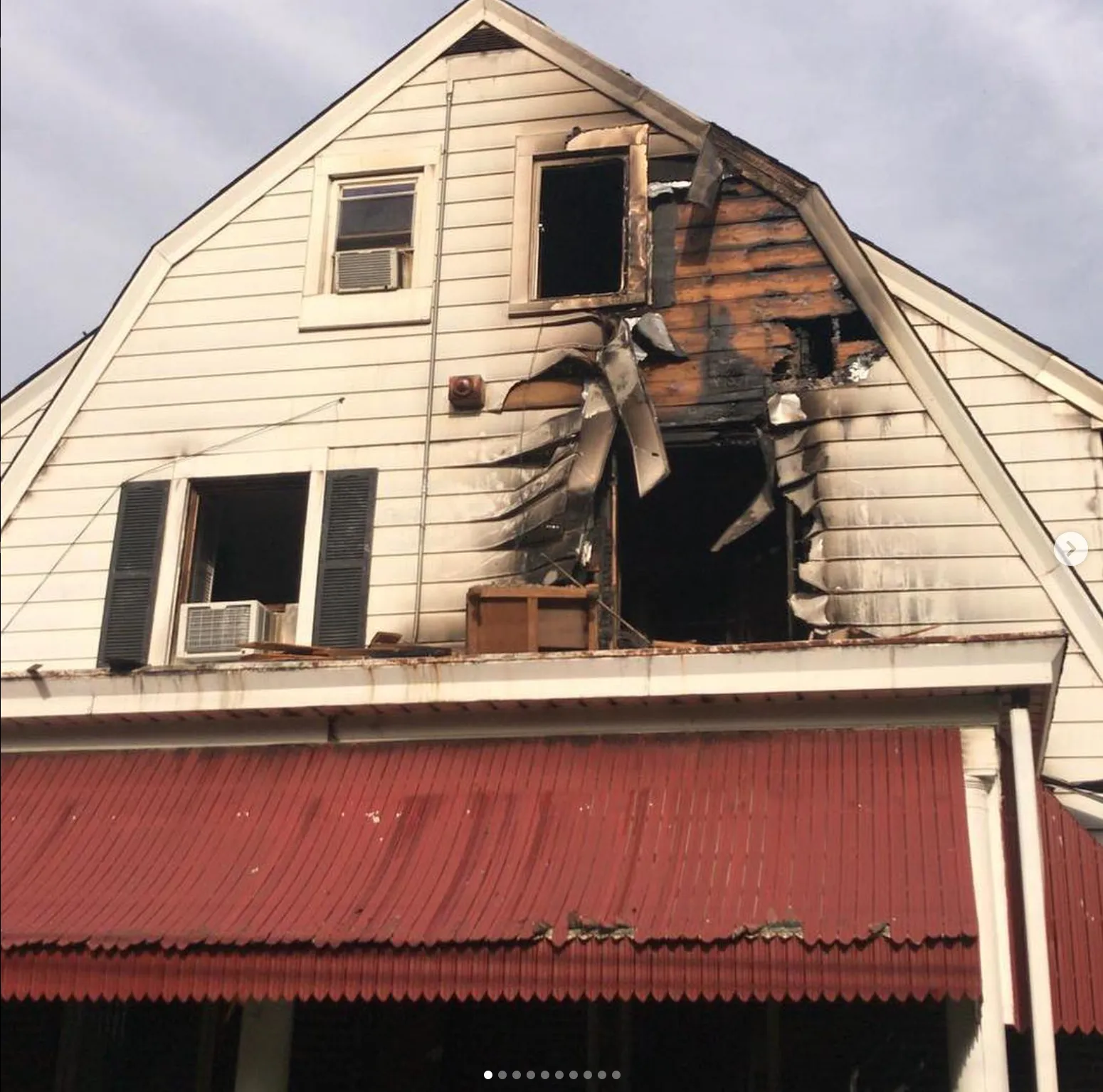
When prevention isn’t enough and kitchen fire damage occurs, Priority Restoration has served Philadelphia area families since 2006. Our woman-owned, IICRC-certified team understands that grease fires can cause extensive smoke and fire damage throughout homes, requiring specialized restoration techniques that insurance companies trust.
Priority Restoration has been in the Fire, Water Damage and Restoration Industry in the Philadelphia area since 1976. We also provide a wide array of other restoration services. When you need our help, call us today at [number] or contact us online. Benefits of working with Priority Restoration include: