We provide 24/7 rapid response, offer free assessments, and ensure expert recovery.
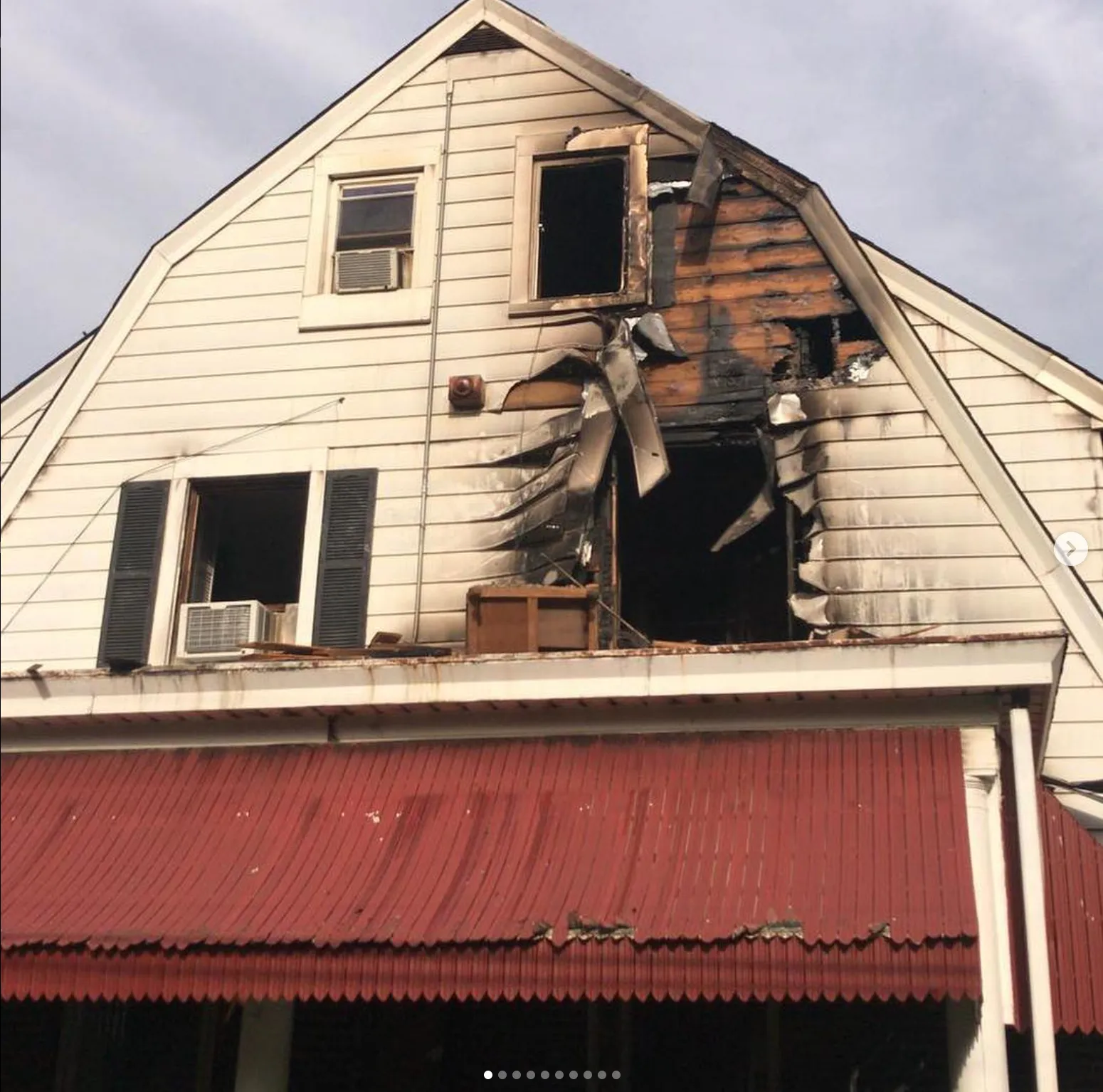
Appliance fires account for over 150,000 house fires annually in the United States, causing billions in property damage and hundreds of deaths. Despite modern safety features, these fires continue threatening homes due to aging appliances, improper usage, and lack of regular maintenance. Understanding prevention strategies protects your property and keeps your family safe.
Modern households depend on more electrical appliances than ever before, from smart home devices to high-powered kitchen equipment. This increased reliance, combined with older electrical systems in many homes, creates perfect conditions for appliance-related fires.
The good news is that most appliance fires are entirely preventable through proper usage, regular maintenance, and awareness of warning signs. Small changes in daily habits can dramatically reduce your fire risk.
Understanding what triggers appliance fires helps you recognize and eliminate risks before they become dangerous.
Plugging too many appliances into a single outlet or using power strips beyond their rated capacity creates dangerous overheating. When circuits are pushed beyond their limit, they spark, melt, or ignite surrounding materials.
Many homeowners don’t realize that power strips have maximum wattage limits, typically 1,800 watts. High-wattage appliances like space heaters or microwaves can easily exceed this limit when combined with other devices.
If your home is over 40 years old and hasn’t had electrical updates, the cost of an inspection is minimal compared to rebuilding after a fire.
Cords that are cracked, frayed, or pinched expose internal wiring, which can result in electrical arcing or sparks. These sparks ignite nearby flammable materials like curtains, paper, or furniture. Cord damage often occurs gradually through normal wear, pets chewing, or furniture pressing against wires.
Dryers collect lint with every use, and if not cleaned regularly, it becomes a serious fire hazard. Lint is highly flammable, and when heat builds up inside the dryer, it can easily ignite. Dryer fires cause an estimated $100 million in property damage annually.
The problem extends beyond the visible lint trap. Lint accumulates in exhaust ducts, around the dryer drum, and in hidden areas where it’s harder to reach.
Appliances with damaged wiring, worn-out components, or electrical defects can cause short circuits, sparks, or overheating. Internal components deteriorate over time, especially in appliances that generate heat or run frequently.
Warning signs include inconsistent performance, unusual noises, excessive heat generation, or visible wear on external components.
Kelly of Priority Restoration rented storage space at our facility in Warrington Pa. for one of their clients. We got to witness firsthand how professional and thorough her and her crew operate. The genuine care and concern Kelly shows to her clients is blatantly obvious. Though Priority Restoration provides a service we all hope to never need to utilize, I feel comfortable saying I would look no further than Priority should the need ever present itself.
Certain appliances pose higher fire risks due to their heat generation, electrical demands, or typical usage patterns.
Space heaters cause more fires than any other appliance, often due to improper placement or unattended operation. These portable devices generate intense heat and draw significant electrical power.
Kitchen appliances combine heat generation with food preparation, creating unique fire hazards. Toasters accumulate crumbs that can ignite, while ovens build up grease that becomes flammable. Microwaves can spark if metal objects are accidentally placed inside.
Dryers pose the greatest laundry-related fire risk, but washing machines can also cause problems through electrical faults or water damage that affects nearby electrical systems.
Regular maintenance prevents most laundry-related fires. This includes cleaning lint traps after every load, checking exhaust vents seasonally, and inspecting washing machine hoses for wear.
Regular maintenance is your best defense against appliance fires. Simple monthly and seasonal tasks identify problems before they become dangerous.
Built-up grease in ovens, lint in dryers, and dust in heaters all become fuel for fires. Regular cleaning removes these flammable materials before they can ignite. Pay attention to areas where debris accumulates, such as behind appliances and in vents.
Some maintenance tasks require professional expertise. Have your dryer vent professionally cleaned every 2-3 years, especially if your vent run is long or has multiple turns. Schedule annual inspection of gas appliances to check for leaks and proper combustion.
In our experience serving Philadelphia families since 2006, we’ve seen how small maintenance issues become major fire damage when overlooked.
Appliances due for service? Schedule maintenance with certified technicians.
Your appliances often warn you before problems become dangerous. Learning to recognize these early warning signs can prevent fires and expensive damage.
Immediate action required for:
Overheating Appliances
Overheating appliances pose immediate fire danger. If an appliance feels unusually hot, makes strange noises, or produces unusual smells, stop using it immediately and have it inspected by a qualified technician.
What starts as a minor issue can quickly escalate to dangerous arcing, overheating, or fire if ignored.
Appliance overheating? Call emergency service right away.
One of the simplest fire prevention strategies is unplugging appliances when not in use. This practice eliminates risks from power surges, phantom electrical draws, and hidden electrical faults.
Benefits of Unplugging
Many appliances continue drawing small amounts of electricity even when switched off. Over time, internal components can overheat, especially in faulty or aging appliances.
Having proper fire safety equipment can mean the difference between a minor incident and a major disaster.
Essential Safety Equipment
Fire Extinguishers for Appliance Fires
Not all fire extinguishers work on electrical fires. Class C extinguishers contain non-conductive agents that won’t conduct electricity. Keep appropriately rated extinguishers in the kitchen, laundry room, and garage.
Learn proper extinguisher technique: Pull the pin, Aim at the base, Squeeze the handle, and Sweep side to side. If the fire doesn’t diminish quickly, evacuate immediately and call the fire department.
Need proper fire extinguishers? Get safety consultation today.
Even with excellent prevention, emergencies can still occur. A well-planned family emergency response saves lives and minimizes property damage.
Emergency Plan Essentials
Develop and practice evacuation routes from every room. Ensure everyone knows at least two ways out of each room and designate a safe meeting place outside.
Appliance fire prevention starts with understanding risks and implementing simple daily practices.
Start your prevention program by:
When to Call Professionals
Contact professionals when you notice frequent circuit breaker trips, burning smells from appliances, visible damage to electrical components, appliances that feel excessively hot, or any situation that makes you question electrical safety.
As a woman-owned restoration company, Priority Restoration has responded to countless appliance-related fire damage calls. We’ve learned that quick professional assessment often prevents minor issues from becoming major disasters.
Priority Restoration has been in the Fire, Water Damage and Restoration Industry in the Philadelphia area since 1976. We also provide a wide array of other restoration services. When you need our help, call us today at [number] or contact us online. Benefits of working with Priority Restoration include: