Mold is a silent intruder that can secretly infiltrate our homes and workplaces, causing more than unsightly stains. Many people are unaware of the severe and potentially permanent damage mold can inflict on our health and property.
In this article, we’ll explore the hidden dangers of mold exposure, from triggering respiratory issues and allergic reactions to compromising a building’s structural integrity. Discover the long-term consequences of mold growth and learn how to protect yourself and your property from its devastating effects.
Key Takeaways
- Prolonged mold exposure can lead to permanent respiratory damage and increase the risk of chronic health problems.
- Certain molds may cause significant skin irritations and allergic reactions that interfere with daily activities.
- There is potential for neurological issues such as difficulty concentrating and memory loss due to mold exposure.
- Mold can cause irreversible harm, including organ damage like liver cirrhosis or kidney disease, particularly in severe cases.
- Mold can compromise the structural integrity of homes and buildings, leading to irreversible property damage.
Health Effects of Mold Exposure
Mold exposure can lead to health effects, the most common of which are respiratory issues and allergic reactions. These can include symptoms like coughing, wheezing, and skin irritation.
Additionally, there is ongoing research into potential neurological effects, suggesting that the health implications of mold exposure could be far-reaching.
Respiratory Issues
One of mold exposure’s most significant health impacts is respiratory issues. When inhaled, mold spores can trigger asthma attacks and cause difficulty breathing. Additionally, prolonged exposure can increase the risk of developing respiratory infections.
Trigger Asthma Attacks
In respiratory issues, prolonged mold exposure can significantly trigger asthma attacks, even in individuals who have never previously exhibited symptoms.
Importantly, molds produce allergens and irritants that can cause such attacks.
Hence, it’s essential to understand that mold, under the right conditions, can pose a significant threat to the respiratory health of susceptible individuals.
Cause Difficulty Breathing
Apart from just triggering asthma attacks, mold exposure can also lead to significant breathing difficulties, further complicating the respiratory health of individuals.
In severe cases, mold can cause permanent damage to the respiratory system. This difficulty in breathing can lead to severe infections and allergies.
Increase Risk of Infections
In addition to respiratory complications, prolonged mold exposure can increase the risk of severe infections, particularly in individuals with weakened immune systems.
Mold damage over the long term isn’t confined to immediate health effects. The increased risk of infections may lead to chronic conditions, highlighting the serious, potentially permanent health problems that living or working in mold-infested environments can cause.
Allergic Reactions
Shifting our focus to allergic reactions caused by mold exposure, various symptoms may manifest.
These include but are not limited to, skin irritation and rashes, sneezing, coughing, and congestion.
Eye irritation and tearing are also common indicators of an allergic reaction to mold.
Skin Irritation and Rashes
Mold exposure often triggers allergic reactions, causing skin irritation and rashes among sensitive individuals.
While many perceive mold as not harmful, certain molds can cause noticeable skin symptoms. These reactions range from mild redness to severe rashes, demonstrating that molds can trigger significant skin irritations.
Sneezing, Coughing, and Congestion
Mold exposure can cause skin irritations and respiratory issues such as sneezing, coughing, and congestion, particularly in individuals with pre-existing allergies.
The mold can aggravate the respiratory system, causing problems such as persistent coughing and nasal congestion.
Eye Irritation and Tearing
Another significant health effect of mold exposure is the potential for eye irritation and excessive tearing, particularly in those susceptible to allergic reactions. These effects, brought on when mold produces allergens, can trigger vision loss.
In severe cases, prolonged exposure to mold causes inflammation that may cause irreversible damage to the human body, emphasizing the importance of prompt mold remediation.
Neurological Issues (Potential)
Mold exposure can potentially lead to neurological issues. An aspect of health that we will now explore. Symptoms such as headaches, fatigue, difficulty concentrating, and memory loss have been linked to mold exposure, although concrete evidence is limited.
Headaches and Fatigue
Among the myriad neurological issues potentially caused by mold exposure, headaches, and fatigue stand out due to their common occurrence. Exposure to mold, particularly during floods, could affect the brain, leading to these symptoms.
One reason is the potential memory loss associated with chronic mold exposure. However, more research is needed to substantiate these claims and fully understand the extent to which mold can cause such damage.
Difficulty Concentrating
In addition to headaches and fatigue, mold exposure may lead to difficulties in concentration, further highlighting the potential neurological implications.
Such cognitive disruptions can seriously impair daily functioning.
While the exact mechanism is unclear, it is thought that mycotoxins from mold might interfere with neural activity.
More research is needed to understand this effect fully, but the existing evidence warrants caution.
Memory Loss (Limited Evidence)
Compounding the neurological concerns linked to mold exposure, some evidence suggests a potential correlation between prolonged contact with mold and instances of memory loss.
Although the findings are inconclusive, the limited data indicates a plausible relationship.
Long-Term Consequences of Mold Exposure
The long-term impact of mold exposure can be severe and, in some instances, may cause irreversible harm.
Prolonged exposure often heightens the risk of developing chronic health issues, further aggravating existing conditions.
In extreme cases, it can even lead to organ damage, underscoring the importance of timely mold detection and remediation.
Increased Risk of Chronic Health Problems
Long-term mold exposure can lead to the development of chronic health conditions, significantly impacting an individual’s quality of life. Conditions such as childhood asthma, hypersensitivity pneumonia, and chronic sinusitis are associated with prolonged mold exposure.
The following discussion will highlight the connections between these health problems and mold exposure, emphasizing the necessity for prompt mold detection and removal.
Asthma Development in Children
Mold exposure during childhood has been linked to the development of asthma, marking a significant risk factor for this chronic respiratory condition. Prolonged mold exposure can cause permanent damage to the respiratory system, impairing lung function.
Children are vulnerable due to their developing immune systems. Hence, mitigating mold exposure is vital in reducing asthma incidence and promoting healthier lung function in children.
Hypersensitivity Pneumonitis
Beyond asthma development in children, another serious concern related to chronic mold exposure is hypersensitivity pneumonia. This condition intensifies the threat of long-lasting health issues.
An allergic reaction causes lung inflammation, usually due to inhaling certain dusts or molds. It can lead to severe lung damage without adequate medical intervention, emphasizing the need for timely mold detection and eradication.
Chronic Sinusitis
Another significant health implication of persistent mold exposure is the increased risk of developing chronic sinusitis, a condition characterized by prolonged inflammation and infection of the sinuses. Symptoms can include facial pain, nasal congestion, and reduced sense of smell.
Long-term mold exposure can cause the sinus tissues to swell, blocking the sinus passages and creating an environment conducive to bacterial growth, thereby exacerbating the condition.
Organ Damage (In Severe Cases)
In severe cases of prolonged mold exposure, the risk of damage to essential organs, such as the liver and kidneys, is greatly heightened. This can be attributed to the toxins released by certain types of mold, which can infiltrate the bloodstream and cause harm to these organs.
Weakened Immune System
Mold exposure over a prolonged period can weaken the immune system, potentially leading to severe organ damage in extreme cases. Our body’s immune system’s defense against diseases becomes compromised, making it more vulnerable to infections. This can manifest as recurring sickness, allergies, or autoimmune disorders.
In severe instances, this immunosuppression may pave the way for life-threatening conditions, excluding liver or kidney damage.
Damage to the Liver or Kidneys
Over time, continuous contact with mold has the potential to inflict severe damage on essential organs such as the liver and kidneys. Prolonged exposure can result in the development of severe conditions like liver cirrhosis or kidney disease.
Such damage can be permanent, impairing the organ’s functionality. Thus, mitigating mold exposure is paramount to prevent such irreversible health consequences.
Mold Damage to Property
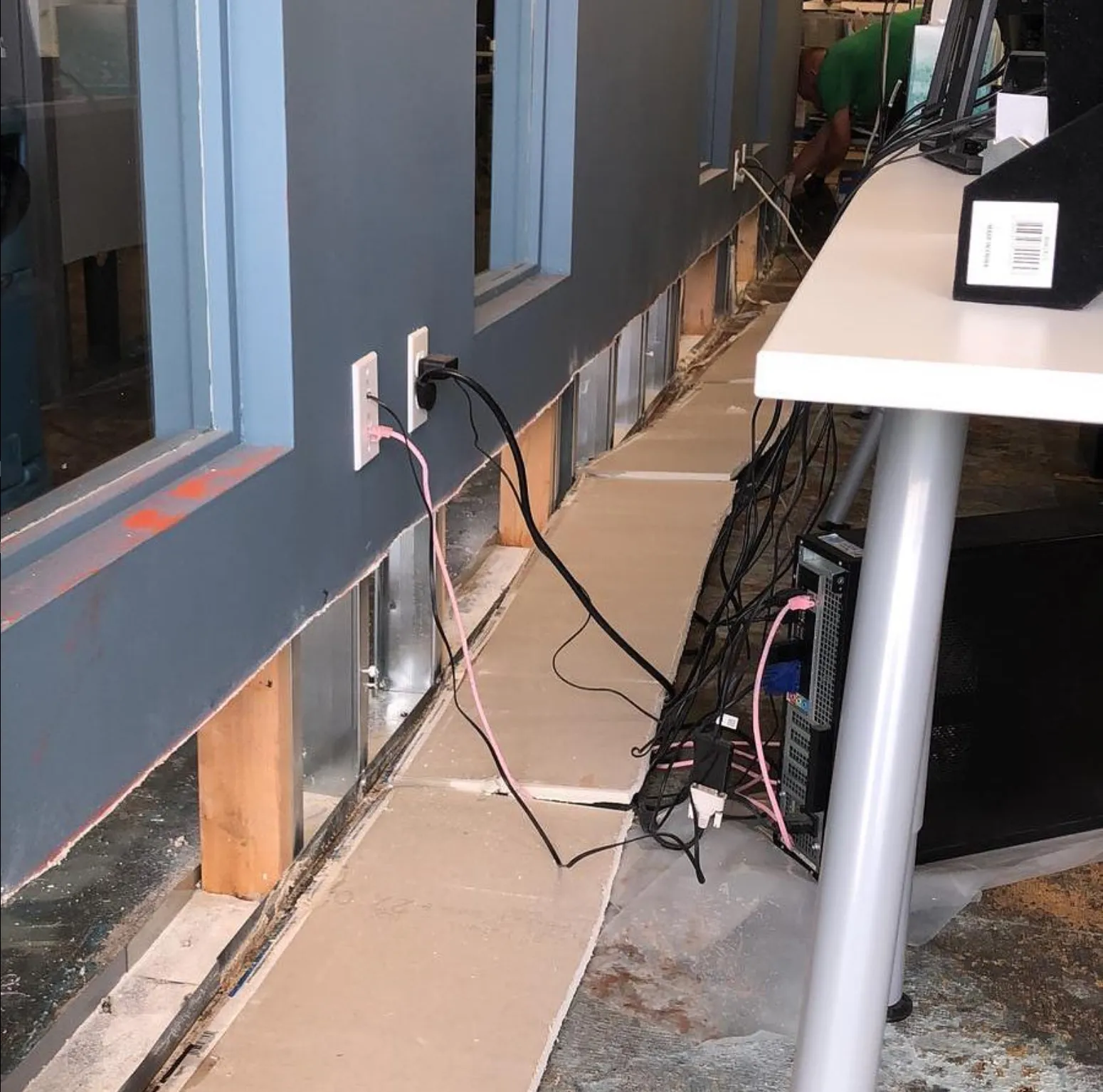
Examining mold’s potential to harm property is essential when contemplating mold’s impact. Structural damage is a significant concern, as mold can compromise the integrity of houses and buildings.
Further, mold infestation can result in a decrease in property value, posing significant financial implications.
Structural Damage
Mold, a silent destroyer, can cause substantial structural damage to properties. It fosters the rotting of wood building materials and the weakening of walls and ceilings, leading to compromised structural integrity.
In addition, mold can also wreak havoc on insulation and air ducts, escalating maintenance costs and creating potential health hazards.
Rotting of Wood Building Materials
One significant consequence of mold growth is the potential for severe structural damage, mainly through the rotting of wood building materials. Accumulating over time, mold penetrates wood fibers, compromising their integrity. This creates a destructive process known as wood rot.
If left untreated, this can lead to irreversible damage, necessitating costly repairs and replacements. Hence, it is essential to address mold problems promptly to preserve the lifespan of wooden structures.
Weakening of Walls and Ceilings
In addition to the decay of wood, mold infestations can also weaken walls and ceilings, posing severe risks to the structural integrity of a property. Mold can infiltrate porous materials, causing them to crumble or warp. Over time, this can lead to a total collapse of the infected area.
Consequently, unchecked mold growth can lead to significant and potentially irreversible damage, necessitating costly repairs or even total replacement of parts of a property.
Damage to Insulation and Air Ducts
Unchecked mold growth can affect the structural integrity of walls and ceilings and inflict severe damage on insulation and air ducts. Exposure to dampness deteriorates insulation material, reducing its effectiveness.
As for air ducts, mold can lead to blockages and impair air quality. This can increase energy expenses and potentially lead to health problems, reinforcing the necessity for prompt mold remediation.
As for air ducts, mold can lead to blockages and impair air quality. This can increase energy costs and potentially lead to health problems, reinforcing the necessity for prompt mold remediation.
Decreased Property Value
Mold infestations can decrease the value of a property. Remediation efforts, while essential, can be costly and potentially deter potential buyers.
Additionally, legal requirements may oblige sellers to disclose any mold issues, further impacting the property’s marketability.
Mold Remediation Can Be Costly
Have you considered the financial implications of mold remediation, particularly its potential to decrease property value?
Mold removal can be a costly venture, often requiring professional intervention. Beyond the initial expenditure for removal, the mere presence of mold can devalue your property.
Potential buyers may be deterred by the history of mold, further impacting the property’s market value. Mold’s financial toll extends beyond simple remediation costs.
Potential Disclosure Requirements for Selling
It is vital to handle the repercussions of mold damage to property. It is crucial to consider the disclosure requirements when selling a property with a history of mold. Failure to disclose can lead to legal implications.
Mold decreases property value and can deter potential buyers. Therefore, honesty about past mold issues can facilitate a smoother transaction and potentially avoid future disputes.
Preventing Mold Growth
Preventing mold growth primarily involves two critical strategies: controlling moisture levels and promptly addressing water damage.
Control Moisture Levels
Controlling moisture levels is a crucial approach to preventing mold growth and potential subsequent damage. This involves promptly addressing any leaks and humidity issues in the home.
It is also crucial to guarantee proper ventilation, specifically in areas such as kitchens and bathrooms where moisture is routinely produced.
Fix Leaks and Address Humidity Issues
One of the most effective strategies to prevent mold growth involves promptly fixing leaks and addressing humidity issues in your environment. Excess moisture can form the perfect breeding ground for mold spores.
Consequently, regular inspection of pipes, roofs, and walls for leaks is imperative. Similarly, maintaining indoor humidity levels between 30% and 50% can help mitigate mold proliferation, enhancing the longevity and habitability of your living or workspace.
Ensure Proper Ventilation in Bathrooms and Kitchens
In addition to addressing leaks and humidity issues, ensuring proper ventilation in high-moisture areas such as bathrooms and kitchens is another crucial measure in preventing mold growth.
Opening windows or installing exhaust fans to facilitate air circulation will help achieve this. Good ventilation reduces humidity levels, inhibits mold proliferation, and maintains a healthy indoor environment.
Promptly Address Water Damage
To effectively prevent mold growth, it is essential to address water damage promptly.
Dry wet areas within the period of 24 to 48 hours to hinder mold development.
If mold growth is already present, immediate removal is necessary to prevent further spread.
Dry Wet Areas Within 24-48 Hours
Consistently drying wet areas within 24-48 hours is an essential preventive measure against mold growth, especially after water damage. This critical window of time prevents the formation of mold, which thrives in damp environments.
Prompt drying also mitigates the possibility of long-term structural damage. Addressing moisture is vital to maintaining a mold-free, safe environment within your property.
Remove Mold Growth Before It Spreads
While addressing moisture immediately prevents mold formation, it is equally important to remove mold growth promptly to halt its spread and contain potential damage.
The safest way to do this is to hire a professional mold remediation service as they possess specialized equipment and knowledge.
Professional Mold Removal (For Extensive Growth)
It may be necessary to engage professional services to address the issue when mold growth is extensive and persistent.
These mold remediation professionals have the knowledge and tools to safely and thoroughly remove mold, mitigating potential health risks and property damage.
The following section will explore the role of these professionals, the process of professional mold removal, and the potential benefits.
Mold Remediation Professionals
Addressing extensive mold growth requires the skills and knowledge of mold remediation professionals. These experts, such as those at Priority Restoration LLC, are equipped to handle complex mold issues that may pose health risks and cause permanent damage.
Their services are essential in ensuring a safe and healthy environment post-mold infestation.
Priority Restoration LLC
How can extensive mold growth be effectively tackled? Priority Restoration LLC, a team of professional mold remediation experts, provides a thorough solution.
With cutting-edge technology and certified technicians, they address mold issues at the root, ensuring a complete cleanup.
Their services remove existing mold and prevent future growth, protecting your property from potential damage and promoting healthier living environments.
Frequently Asked Questions
Can Mold Exposure Affect Pets Similarly to Humans?
Yes, mold exposure can affect pets similarly to humans. Pets can experience respiratory issues, allergies, and skin irritations. In severe cases, mold toxicity can lead to long-term health problems or even death in pets.
What Are the Most Common Types of Mold Found in Homes?
The most common types of mold found in homes include Cladosporium, Penicillium, Aspergillus, and Alternaria. These molds typically grow in damp, humid areas such as basements, bathrooms, kitchens, and areas with water damage.
Do All Types of Mold Cause Health Issues?
Not all types of mold necessarily cause health issues. However, certain species, such as Stachybotrys chartarum and Aspergillus, can pose health risks, particularly to people with pre-existing respiratory conditions or compromised immune systems.
Are There Specific Climates Where Mold Growth Is More Prevalent?
Yes, mold growth is more prevalent in climates with high humidity and warmth. These conditions provide the moisture and temperature mold spores need to grow and multiply, such as in tropical or subtropical regions.
How Can I Identify Mold Growth in Hidden Areas of My Home?
Identifying hidden mold growth involves inspecting areas with moisture issues, such as basements or bathrooms. Look for discolored spots, musty odors, or signs of water damage. Professional mold assessment may be needed for accurate detection.